
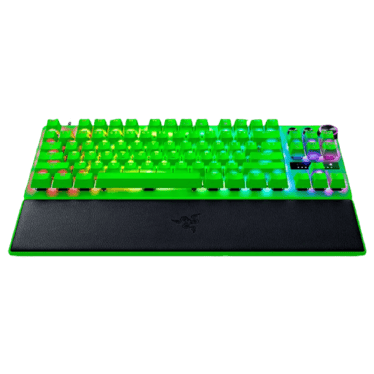
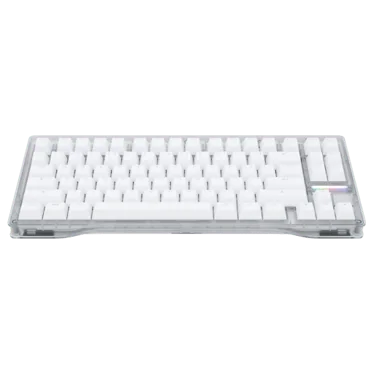
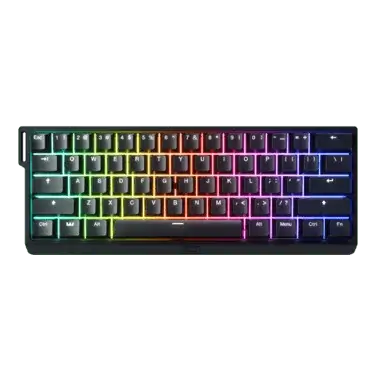
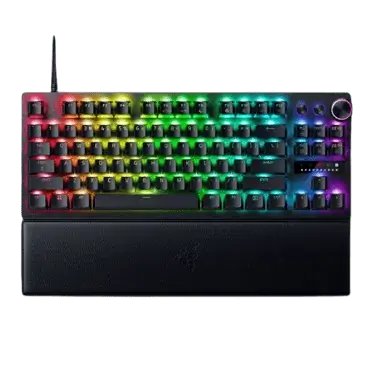
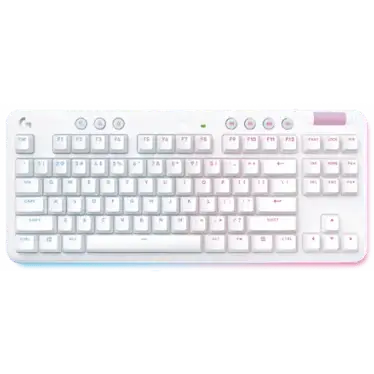
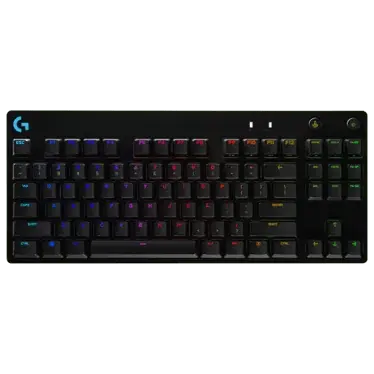
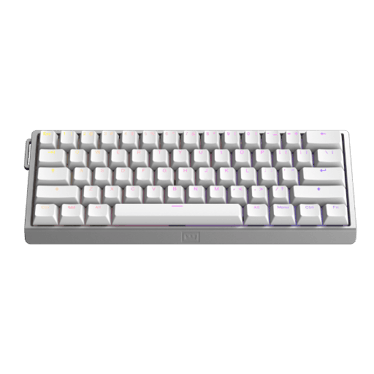
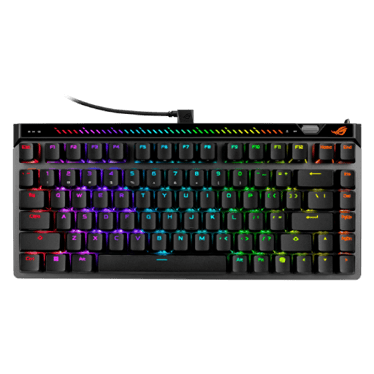
What the top keyboards have in common
Look across 12 keyboards and 131 pros and a few non-obvious patterns emerge:
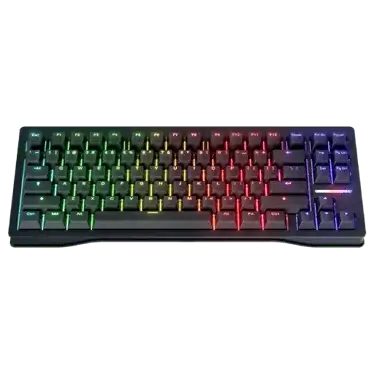
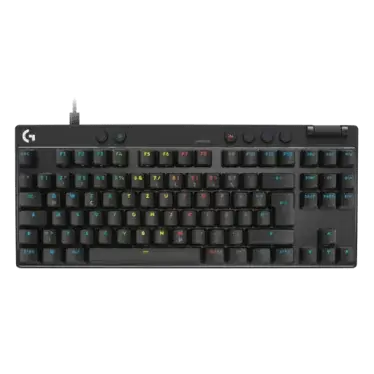
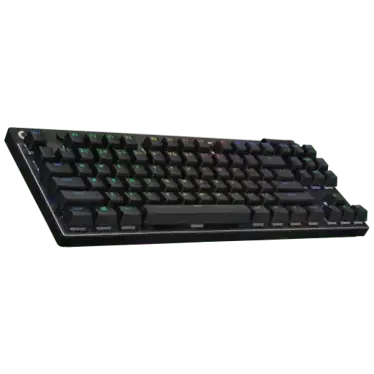
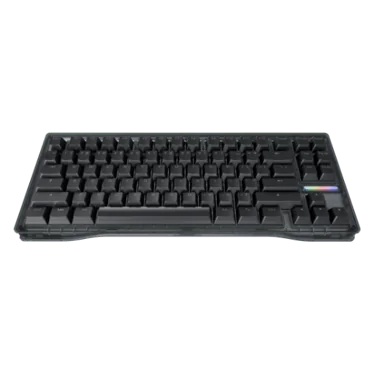
- TKL (tenkeyless) dominates. The numpad gets in the way of mouse sweeps for low-sens players. Almost every keyboard on the list is a TKL or 60% / 65% layout — full-size boards are rare at the top.
- Linear switches are the unspoken default. Reds (and equivalents) win over tactile bumps because CS2 rewards rapid counter-strafe taps where any extra resistance slows you down.
- Hall-effect / magnetic switches are the growth category. Wooting, Razer Huntsman V3 Pro, and similar boards with adjustable actuation and rapid-trigger are gaining ground year over year — and yes, that includes Snap Tap-style features (now regulated in CS2).
- Wooting leads the brand share. 40% of every CS2 keyboard in our database is a Wooting. Esports sponsorships push the number, but the actual switch and chassis quality has to hold up — pros don't ship a keyboard that fails to a major.
Why keyboard matters less than mouse
Honest answer: it does. Movement (4 keys), reload, jump, and weapon swap cover 99% of in-game keystrokes. Beyond reliability and the switch feel you personally like, the keyboard isn't doing as much as the mouse, monitor, or even the pad to determine your aim.
That said: a key that chatters or fails mid-clutch costs you the round. Reliability and consistency > spec sheet. That's why the top of this list skews toward boards from companies with a long QA track record.
How this list is built
Every card on this page is rebuilt from the JSON setup data on each player's profile in our database. When we re-scrape a player and their keyboard changes, the ranking shifts automatically on the next build — there's no editor reordering anything. Color and switch-variant suffixes are collapsed where possible. The list reflects usage as of June 2026.
Frequently asked questions
TKL or full-size — why do pros prefer TKL?
Numpad real estate pushes your mouse hand further right, which restricts your sweep range on low-sens setups. TKL frees up that desk space. 60% / 65% boards go even further but cost you function keys.
What's a Hall-effect switch and is it actually better?
Hall-effect (magnetic) switches measure key position with a magnetic sensor instead of a metal contact. That lets boards offer adjustable actuation (set how far you press before registering) and rapid trigger (re-actuate on the way back up). For CS2 counter-strafing, rapid trigger is a real measurable advantage — that's why these boards keep climbing the ranking.
Mechanical vs membrane — what should I buy?
Mechanical. Any of the boards above will out-feel and out-last a $30 membrane board. The cheapest credible mechanical is far better than the most expensive membrane.
Does the switch type really change my aim?
Slightly. Lower-actuation linear switches let you counter-strafe a touch faster. But the difference between, say, Cherry Reds and Gateron Yellows is far smaller than the difference between any mechanical board and a membrane one. Don't agonize over it.
Why isn't my keyboard in the list?
If it's not in the top 12, fewer than 3 CS2 pros in our database use it. The keyboard market is fragmented — there are dozens of excellent boards that simply haven't reached major-pro adoption. If yours is reliable and you can play with it, ignore the list.
How often is this list updated?
Whenever we re-scrape our player database — typically every few weeks. The ranking auto-regenerates from the latest data. You're looking at usage as of June 2026.