
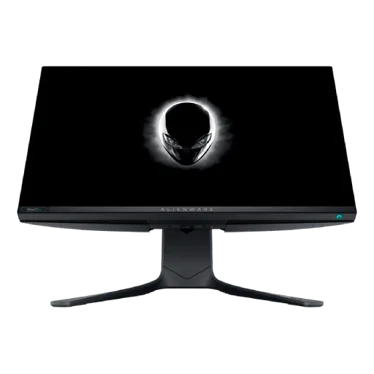
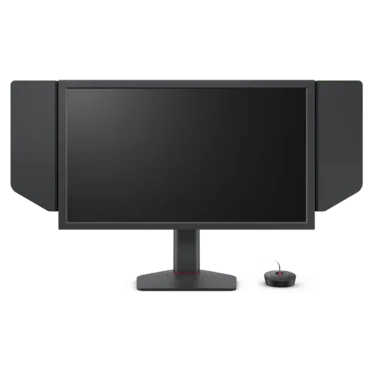
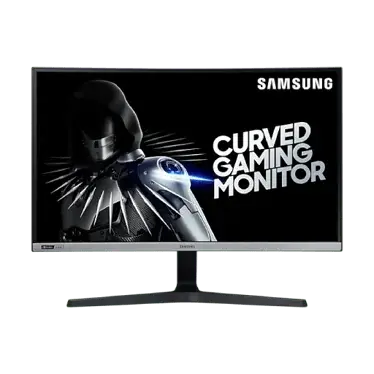
What the top monitors have in common
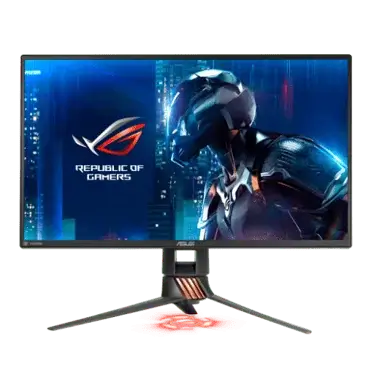
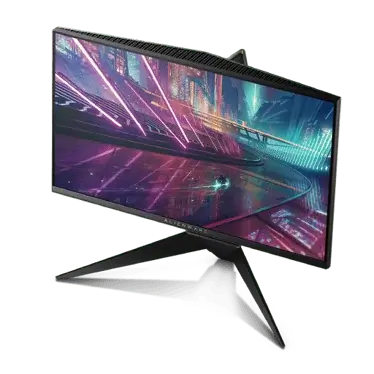
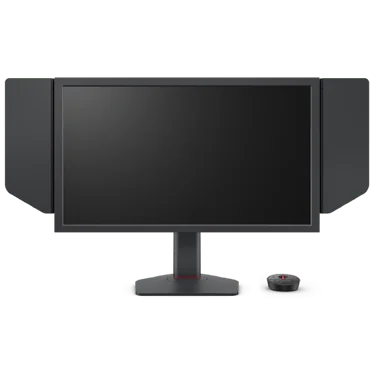
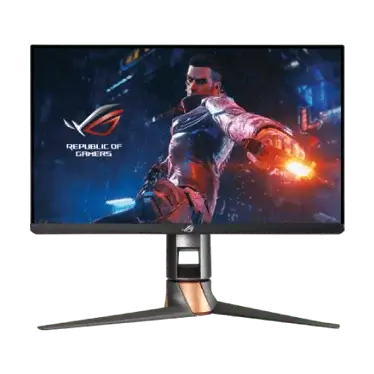
The monitor category is one of the most consolidated in pro gear. A few observations from the data:
- 360 Hz is the floor, 480/540 Hz is the new ceiling. Fortnite runs at hundreds of FPS on modern hardware in performance mode, so a 480 Hz or 540 Hz monitor will actually show the extra frames. The visual smoothness during build fights is real and measurable.
- 24" is dominant; 27" is the upper edge. Larger panels force more eye and head movement to scan the screen — pros want builds and enemies all visible in their natural field of view.
- Native 1920×1080 in 16:9 is the standard. Unlike CS players, Fortnite pros don't have a 4:3 stretched tradition. The game's art and FOV were designed for 16:9, and stretching breaks the building hitbox alignment.
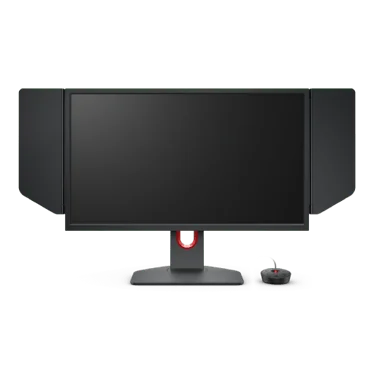
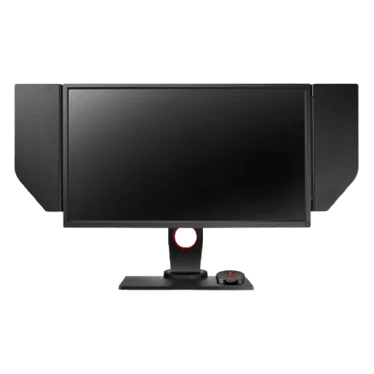
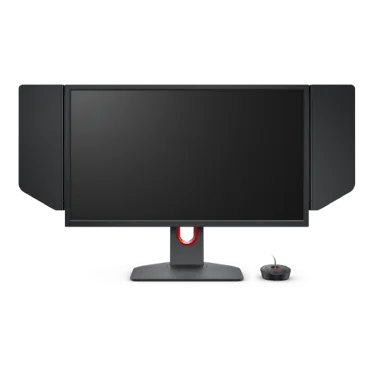
- ZOWIE dominates the brand share at 43%. Zowie's XL series has owned the competitive shooter monitor market for years and Fortnite is no exception — the new generations keep raising refresh rate without changing the chassis pros are comfortable with.
What pros run their monitor AT
The monitor is half the story — the other half is the in-game video settings pros pair with it. Across all 125 pros in our database:
- Refresh rate: 240 Hz is the most common (58%).
- Resolution: 1920x1080 dominates (93%). Fortnite pros stick to the panel's native resolution — there's no benefit to downscaling like CS2's stretched 4:3 tradition.
- Aspect ratio: 16:9 is preferred by 99% of pros.
Why monitor specs vary less than other gear
Your monitor is a 3–5 year purchase. Pros switch when their sponsor sends a new flagship, not because last year's model stopped working. That's why the brand spread in monitors is tighter than in mice — once a player commits, they stay.
The interesting variable isn't the panel itself anymore — it's the refresh rate ceiling. Every cycle, the top of this list moves up another step (240 → 360 → 480 → 540 Hz). Whether your eyes can actually use 540 Hz is debatable; whether pros are willing to chase it is not.
How this list is built
Every card on this page is rebuilt from the JSON setup data on each player's profile in our database. Color and bundle variants are collapsed into one entry. The video-settings stats (refresh, resolution, aspect) come from the same player JSON files. The list reflects usage as of June 2026.
Frequently asked questions
Is 360 Hz overkill for Fortnite?
For pure visual perception, returns diminish past 240 Hz. But Fortnite's performance mode runs at 400+ FPS on modern hardware, so a 360 Hz / 480 Hz / 540 Hz monitor will show real differences in motion smoothness — especially during the fast camera swings of a build fight. For most players, 240 Hz is plenty; 360 Hz is the comfortable sweet spot.
OLED vs TN — what should I buy?
In 2026, OLED. Modern OLED gaming monitors have sub-1ms response, no motion blur, and infinite contrast. Burn-in concerns of past generations have largely been solved with pixel-shift and lower default brightness. TN is still cheaper at the same refresh, but the gap closes every year.
Do Fortnite pros play stretched?
Almost never. Fortnite's building hitboxes and FOV are designed for native 16:9 — stretching them breaks the visual reference for "where does my next wall actually land." Unlike CS2, where stretched 4:3 makes player models wider, Fortnite gives no benefit and meaningful downside.
24" or 27"?
24" is the safer pro-aligned pick — easier to keep the whole screen in your central vision during build fights. 27" is fine if you sit further from the monitor or want more desktop space. Both work; 24" is more common at top level.
Why isn't my monitor in the list?
If it's not in the top 12, fewer than 2 Fortnite pros in our database use it. The monitor market has dozens of solid choices — some great panels just haven't reached pro adoption.
How often is this list updated?
Whenever we re-scrape our player database — typically every few weeks. The ranking auto-regenerates from the latest data. You're looking at usage as of June 2026.