
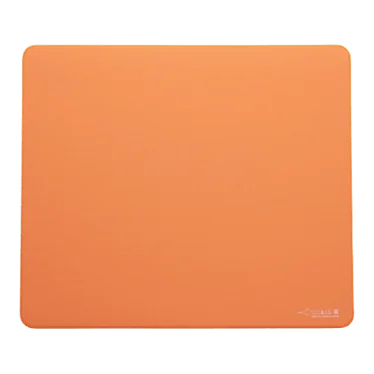
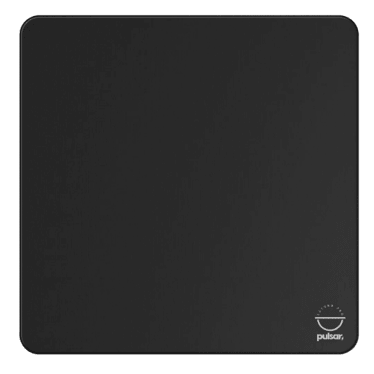
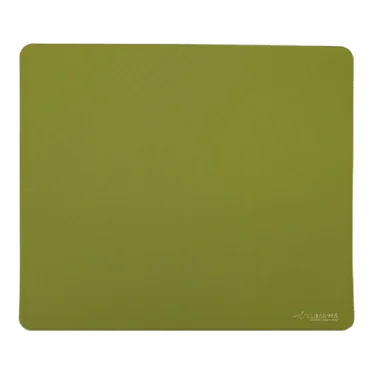
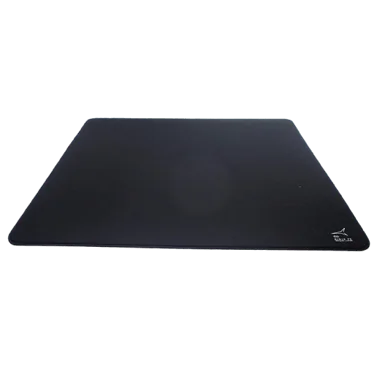



What the top mousepads have in common
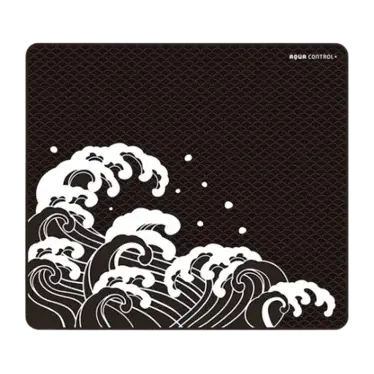
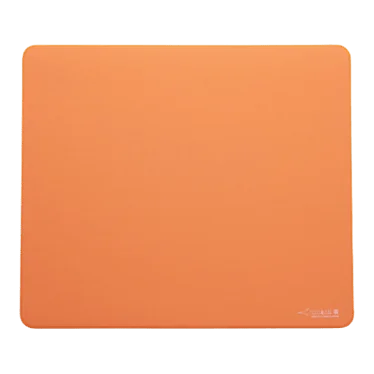
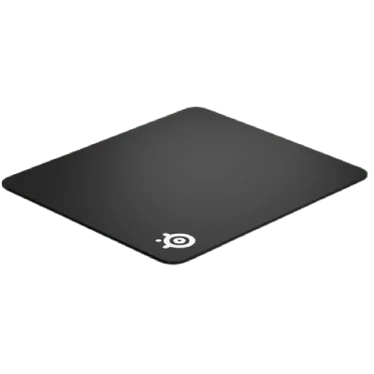
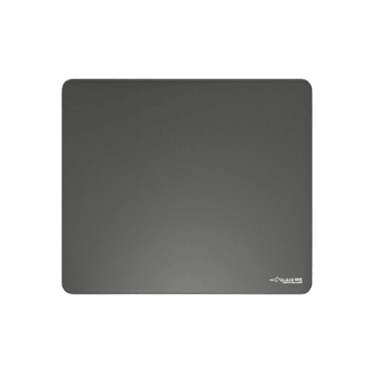
Across 12 mousepads and 121 player setups, a few patterns stand out:
- Cloth control surfaces dominate. Valorant is a low-sens game — fast/hybrid pads exist on the list but the most-used names are control pads. Stopping the crosshair where you point it matters more than fast wide sweeps once you're already aimed.
- XL is closer to the norm than in any other shooter. Valorant's median eDPI is below 300 — that means pros need real estate to cover a 180° turn without lifting the mouse. Look at how many of the top pads come in XL or even XXL sizes.
- Median eDPI of pad users tells the sensitivity story. Look at the per-pad chips above — lower-eDPI pads tend to be larger and more control-oriented; the few faster surfaces correlate with the slightly higher-sens slice of the field.
- Artisan leads the brand share. 45% of every Valorant mousepad in our database is a Artisan. Sponsorships push the number, but the actual surface still has to track well at micro-sensitivities.
Why pad choice matters more in Valorant than you'd think
Valorant is built around precise tap-shots at low effective sensitivity. The mousepad is the surface those shots are made on. The sensor reads texture; the skates glide over it. A great mouse on a worn-out or wrong-surface pad is undermined.
Pads also wear faster than other gear. Sweat, friction, and dust degrade the surface — most pros replace them every 6–12 months. If your micro-adjustments feel mushy or your tracking is suddenly skipping, the pad is the first thing to check.
How this list is built
Every card on this page is rebuilt from the JSON setup data on each player's profile in our database. When we re-scrape a player and their pad changes, the ranking shifts automatically on the next build — there's no editor reordering anything. Color variants are collapsed; different sizes of the same pad stay separate. The list reflects usage as of June 2026.
Frequently asked questions
What's the difference between a control pad and a speed pad?
Control pads have more friction — your mouse stops where you point it. Speed (or "fast") pads have lower friction so the mouse glides further with less effort. Valorant's emphasis on precise crosshair placement and tap-fire pushes the field toward control pads.
Are XL pads worth it for Valorant?
If your eDPI is below ~400 — yes, basically required. You'll run out of pad on a normal-sized mat doing a 180° turn. Most Valorant pros are well under 400 eDPI, which is why XL is so common in this list.
What about glass or hard pads?
Glass and hard pads are slick, durable, and have a small but real fan base in Valorant (Skypad, etc.). They show up in the long tail of our data but rarely break into the top — the dominant preference is still cloth.
Should I buy the #1 pad just because it's most popular?
No. The top 3 are all genuinely good — pick based on size (low-sens? go XL or XXL) and surface feel (you can't know without trying). Brand loyalty matters less for pads than for almost any other gear.
How often should I replace my mousepad?
Every 6–12 months for heavy use, sooner if you sweat into it. When the surface wears smooth in your tracking zone, the sensor starts skipping. That's the cue.
How often is this list updated?
Whenever we re-scrape our player database — typically every few weeks. The ranking auto-regenerates from the latest data. You're looking at usage as of June 2026.